
How to Start a Glazing Business in Australia: A Practical Guide for Glaziers
A practical guide to starting a glazing business in Australia, covering licensing, ABNs, business names, insurance, equipment, suppliers, pricing, quoting, safety, finding customers and managing jobs.
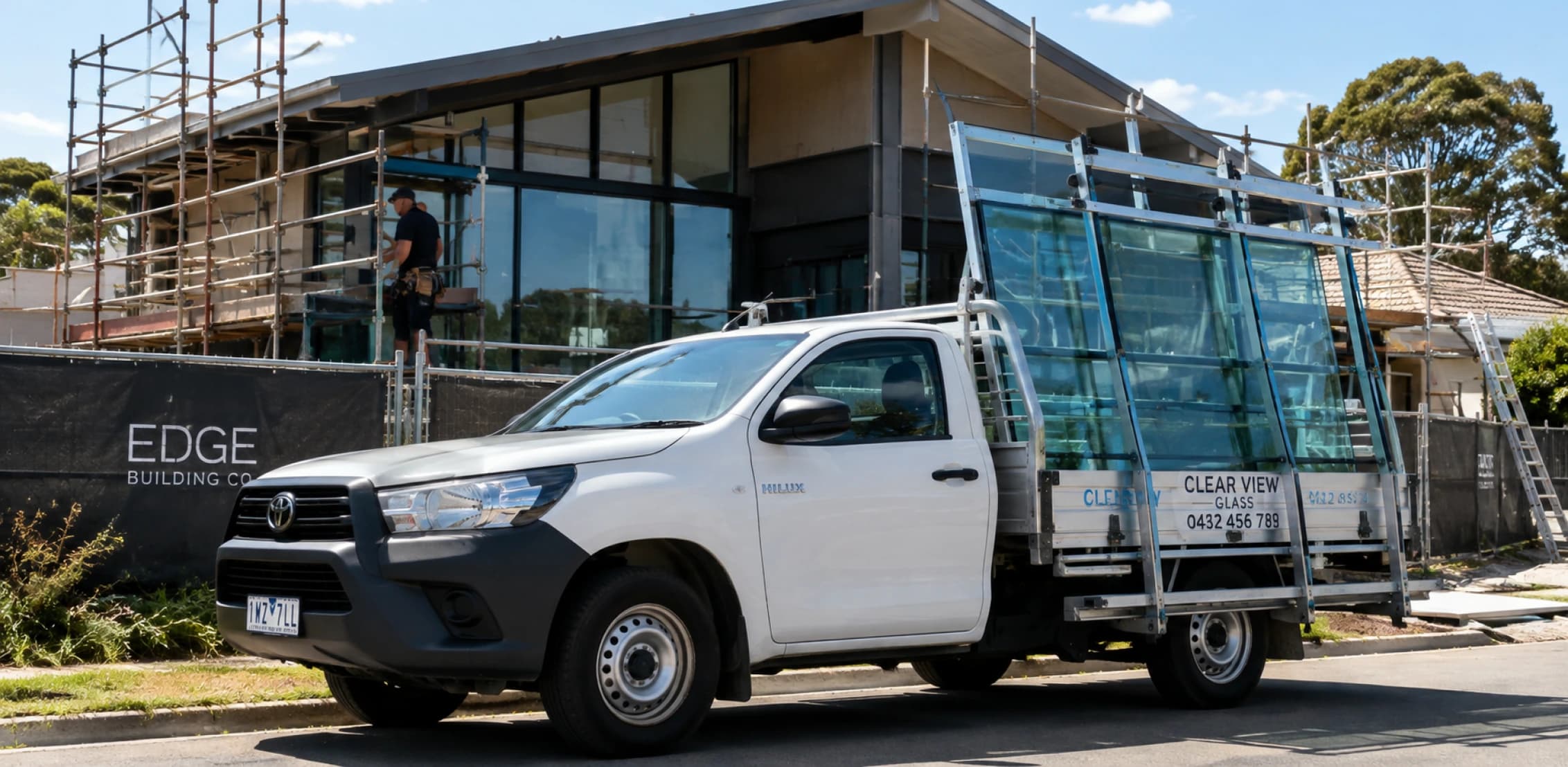
Starting your own glazing business can give you more control over the jobs you take, the customers you work with and how you run your day.
The trade itself may be familiar, but running the business adds a different set of responsibilities. Before the first job comes in, you need to think about licences, insurance, suppliers, glass transport, quoting, cash flow, safety and how you'll keep track of customers and jobs.
You don't need to build a large glazing company from day one. A small business can start with a clearly defined service area, the work you already know well and a simple system for getting from enquiry to quote, job and payment.
Important: glazing licensing and registration requirements are not the same across Australia. The licences you need can depend on your state or territory, the type of glazing work you perform and the value or scope of the work. Always check the rules that apply where you operate before advertising for or contracting to perform work.
Decide what kind of glazing business you're starting
One of the easiest ways to make a new business harder than it needs to be is trying to offer every type of glazing work from the beginning.
Start with the jobs you already know how to measure, quote and complete confidently. Your service mix will affect the tools you buy, the vehicle setup you need, the suppliers you rely on, your insurance and the customers you market to.
| Business focus | Typical work |
|---|---|
| Residential repairs | Broken windows, door glass, mirrors and replacement glazing |
| Shower screens | Supply, measurement and installation of shower-screen systems |
| Commercial glazing | Shopfronts, doors, partitions and commercial glass replacement |
| Builder subcontracting | Glazing for renovations, new builds and construction projects |
| Emergency glazing | Urgent broken-glass replacement and temporary make-safe work |
| Specialised glazing | Architectural glass, balustrades and other specialist installations where appropriately qualified |
A tighter service offering can also make your marketing clearer. Being known for fast residential glass repairs in a defined area is easier to explain than trying to be everything to everyone from day one.
Check your licences, standards and safety requirements
Before you advertise, quote or contract for work, confirm what licences, registrations and qualifications apply to the jobs you intend to take on.
There isn't one national glazing contractor licence that applies in exactly the same way across Australia. Requirements vary by state and territory and can also depend on the type and value of the work.
The Australian Government's Australian Business Licence and Information Service can help you identify licences, registrations and permits that may apply to your business.
Queensland
Queensland has a specific QBCC licence class for glass, glazing and aluminium work. Its scope includes work such as glazing and reglazing buildings, windows and doors, shower screens, commercial glazing, shopfronts and some architectural glazing.
New South Wales
In NSW, glazing is treated as trade work. A contractor licence is required to carry out, advertise or contract for residential glazing work valued at more than $5,000 in labour and materials including GST. Qualification and experience requirements also apply.
Victoria
Victoria handles glazing differently. Consumer Affairs Victoria currently lists glazing among the types of domestic building work that, when performed on their own, do not require building-practitioner registration. Different requirements can apply when the project involves broader or combined building work, so check the scope of the work you intend to contract for.
If you're operating elsewhere in Australia, check your state or territory regulator and ABLIS rather than assuming the rules are the same as another state.
Standards and safe work
AS 1288:2021, Glass in buildings — Selection and installation, is an important Australian Standard for the selection and installation of glass in buildings. Depending on the work you perform, the National Construction Code, other standards, manufacturer requirements and state or territory building rules may also apply.
Glazing also brings obvious safety risks: sharp edges, broken glass, heavy sheets, manual handling, ladders or other access equipment, power tools, vehicles and construction-site hazards. Build safety into the way you plan and quote jobs rather than treating it as something to work out once you're on site.
Some glazing work may meet the definition of high-risk construction work. Where it does, additional requirements such as preparing and following a Safe Work Method Statement can apply.
Set up the business properly
Once you know what work you're going to offer, get the business side in order. For most small glazing businesses this means choosing a structure, getting an ABN, registering a business name if needed, understanding GST and arranging suitable insurance.
Choose a business structure
Many small trade businesses start as sole traders because the structure is relatively simple. A company, partnership or trust may be more suitable in other circumstances.
| Structure | What it generally means |
|---|---|
| Sole trader | You operate the business personally and are responsible for its debts and obligations |
| Partnership | Two or more people operate the business together |
| Company | A separate legal entity operates the business |
| Trust | A trustee operates the business for the benefit of beneficiaries |
The right structure depends on factors such as risk, tax, ownership, employees and how you expect the business to grow. If you're unsure, speak with an accountant or professional business adviser before committing to a structure.
Get an ABN and register your business name
Most people genuinely starting a glazing business in Australia will need an Australian Business Number. An ABN is the 11-digit number used to identify your business when dealing with customers, suppliers and government agencies.
You can apply through the Australian Business Register, and applying for an ABN itself is free.
You can trade under your own legal name, but if you use a different business name you'll generally need to register it. Before settling on a name, check the ASIC register, existing trade marks, suitable domain names and similar glazing businesses.
Understand GST
Getting an ABN doesn't automatically register your glazing business for GST. For most businesses, GST registration becomes compulsory when GST turnover reaches or is expected to reach $75,000. Businesses below the threshold can generally choose to register voluntarily.
Glazing can involve significant material purchases, so understand how GST will affect your prices, quotes, invoices and supplier costs before you start sending work out to customers.
Arrange suitable insurance
Glass work can expose you to property damage, injury, vehicle and transport risks. The cover you need will depend on your business, location, licence conditions, customers and whether you employ workers.
- Public liability insurance.
- Tools and equipment insurance.
- Commercial vehicle insurance.
- Goods in transit or cover for glass and materials being transported.
- Personal accident or income protection for a sole trader.
- Workers compensation insurance if you employ workers.
- Other insurance required by your licence, contracts or type of building work.
Some insurance is compulsory depending on your circumstances, while other cover is optional but may still be important. Check your state requirements and speak with an insurer or broker familiar with trade businesses.
Plan your startup costs, equipment and suppliers
There isn't one useful startup figure for every glazing business. A glazier who already owns tools and a suitable ute can start very differently from someone buying a vehicle, fitting a glass rack and building a complete equipment setup.
Buy for the work you realistically expect to do in the first few months rather than trying to own every tool and piece of equipment from day one.
- Glass cutting and glazing tools.
- Suction lifters and handling equipment.
- Measuring equipment.
- Power tools.
- PPE and safety equipment.
- Ladders and access equipment where required.
- Sealants, setting blocks, packers and consumables.
- Hardware and common replacement components.
- Glass racks or vehicle carrying systems.
- A ute, van or other suitable work vehicle.
- Protective storage for tools and materials.
- Equipment needed to safely remove and dispose of broken glass.
Your vehicle setup deserves particular attention. Glass needs suitable carrying equipment, and the jobs you plan to take on should guide the size and type of rack, vehicle and storage you invest in.
Don't forget working capital
Tools and a ute aren't the only startup costs. Your budget may also need to cover registrations, insurance, supplier requirements, website and email, signage, software, advertising and enough working capital to keep jobs moving.
Working capital is particularly easy to underestimate. You may need to pay for glass, hardware and other materials before the customer pays the final invoice.
Choose suppliers on more than price
A cheap sheet of glass isn't much help if the order is late, cut incorrectly or missing the hardware you need to finish the job. Compare suppliers on the things that affect whether you can actually deliver work when promised.
- Product range.
- Turnaround times.
- Cut-to-size and processing capabilities.
- Delivery options.
- Minimum orders.
- Account terms.
- Availability of common hardware.
- Ability to handle urgent work.
- Consistency and accuracy.
Work out how you'll price and quote jobs
One of the easiest ways to stay busy without making much money is to price jobs using only the cost of the glass plus the hours spent installing it.
A glazing job can include measuring, travel, ordering, collecting materials, installation, disposal, administration and the risk of having to return to site. Your price needs to cover the full cost of delivering the job, not just the obvious parts.
- Glass and other materials.
- Glass processing and fabrication.
- Frames and hardware.
- Consumables.
- Travel time.
- Site measurement.
- Ordering and collecting materials.
- Installation labour.
- Additional labour or subcontractors.
- Removal and disposal of old or broken glass.
- Vehicle costs.
- Insurance.
- Software and administration.
- Warranty and callback risk.
- Business overhead.
- Profit margin.
- GST where applicable.
For small repair work, think about whether you need a minimum charge or call-out structure. For larger or custom jobs, think about when materials need to be ordered and whether a deposit is appropriate before you commit cash to the job.
For a more detailed walkthrough of building a complete price, see our guide to pricing a service job without guessing.
Make the quote clear
For anything beyond a very simple repair, a written quote gives you and the customer a clear record of what has actually been priced.
- Customer and site details.
- Description of the glazing work.
- Glass type and relevant specifications.
- Frames, fittings and hardware being supplied.
- Removal and disposal of existing glass.
- Installation labour.
- Any exclusions.
- Estimated lead time.
- Price and GST treatment.
- Deposit requirements if applicable.
- Payment terms.
- How variations or additional work will be handled.
- Quote expiry date.
Avoid relying on a text message containing nothing more than a price for larger jobs. A structured quote makes it much easier to show what the customer agreed to and what sits outside the original scope.
Using quoting software can also keep the customer, quote and resulting job connected instead of making you re-enter the same information later.
Build a simple workflow for every job
A glazing business can become messy quickly when measurements are in one notebook, customer details are in text messages, quotes are in email and job dates are kept in your head.
You don't need a complicated system. You do need one place to see what has been quoted, what has been accepted, what needs to be ordered, what's booked in and what still needs to be invoiced or paid.
- Receive the customer enquiry.
- Record the customer and site details.
- Inspect or measure the job where required.
- Prepare and send the quote.
- Receive customer approval.
- Order the required glass and hardware.
- Schedule the installation.
- Complete the work.
- Create and send the invoice.
- Record payment.
- Ask the customer for a review.
Set up invoicing and expense tracking before the first job rather than cleaning it up later. Keep business and personal spending separate, record supplier expenses and receipts, and keep an eye on unpaid invoices.
If you're not sure what a compliant invoice needs to include, our guide to creating an invoice in Australia covers the ATO requirements, GST and the details a tax invoice should show.
Getting invoices right matters for getting paid on time, and so does tracking where your money goes.
If you're travelling between measurements, repairs and installations, keeping your schedule organised can also reduce unnecessary driving and missed appointments.
TREVY can be used by glaziers to manage customers, quotes, scheduled jobs and invoices from one place.
Get your first glazing customers
You don't need a huge marketing budget to get started, but local customers need to be able to find you and feel confident contacting you.
- A simple professional website that explains your services and service area.
- A Google Business Profile.
- Local Google search results.
- Vehicle signage.
- Referrals from previous customers.
- Relationships with builders and renovators.
- Real estate agents and property managers.
- Strata and body corporate contacts.
- Other trades that regularly encounter broken or damaged glass.
- Local community groups where business promotion is permitted.
Your website doesn't need dozens of pages. Make it obvious what work you do, where you work, how someone can contact you and why they should trust you. If you're looking for a simple way to put a professional site together, TREVY includes a website builder for service businesses.
Not sure a website is worth the effort when you're just starting out? Our guide explains why a website matters for service providers and how it helps turn local searches into enquiries.
Reviews are especially valuable when the business is new. Once you've completed a job successfully, make asking for a genuine review part of your normal completion process rather than something you remember months later.
Glazing business startup checklist
Before taking your first job under the new business, make sure the basics are covered:
- Decide which glazing services you'll offer and the area you'll service.
- Confirm your qualifications and experience are appropriate for that work.
- Check your state or territory licensing requirements.
- Understand the standards, building rules and WHS requirements relevant to your jobs.
- Choose your business structure.
- Apply for an ABN.
- Register a business name if required.
- Check whether you need to register for GST.
- Arrange appropriate business insurance.
- Set up a suitable vehicle and glass transport system.
- Buy the tools, PPE and safety equipment you actually need.
- Open supplier accounts and understand material lead times.
- Work out your pricing method and minimum charges where relevant.
- Create a professional quoting process.
- Set up invoicing, payments and expense tracking.
- Create a website and Google Business Profile.
- Set up a repeatable enquiry-to-quote-to-job-to-invoice workflow.
- Start asking completed customers for reviews.
You don't need to build a large glazing company on day one. A solid starting point is a clearly defined service area, the right licences and insurance, reliable suppliers, sensible pricing and a simple process for keeping track of every customer and job.
Once that foundation is working, you can add services, expand your service area, invest in more equipment or bring additional glaziers into the business.
Getting the business side organised early gives you more time to focus on the part customers actually pay you for: completing good glazing work.
Related articles

How to Get an ABN in Australia: Step-by-Step Guide
A practical guide to getting an Australian Business Number (ABN), covering what an ABN is, who needs one, what to prepare, and how to apply for free through the Australian Government.
How to Register a Business Name in Australia: A Guide for Tradies & Service Businesses
A practical guide to registering a business name in Australia, covering when you need one, how much it costs, checking availability and trade marks, and how to register through ASIC.

How to Create an Invoice in Australia: Free Guide
A practical guide to creating invoices and tax invoices in Australia, covering the ATO requirements, GST, the seven details a tax invoice needs, and how to send one.
How to Price a Service Job Without Guessing
A practical guide for Australian service providers who want to price jobs with more confidence by accounting for labour, materials, travel, overhead, margin, GST, and risk.
Why Service Providers Need a Website in 2026
Learn why a professional website matters for service providers in 2026, from local SEO and lead generation to brand awareness, credibility, and converting more enquiries.

